A rewilding road-map
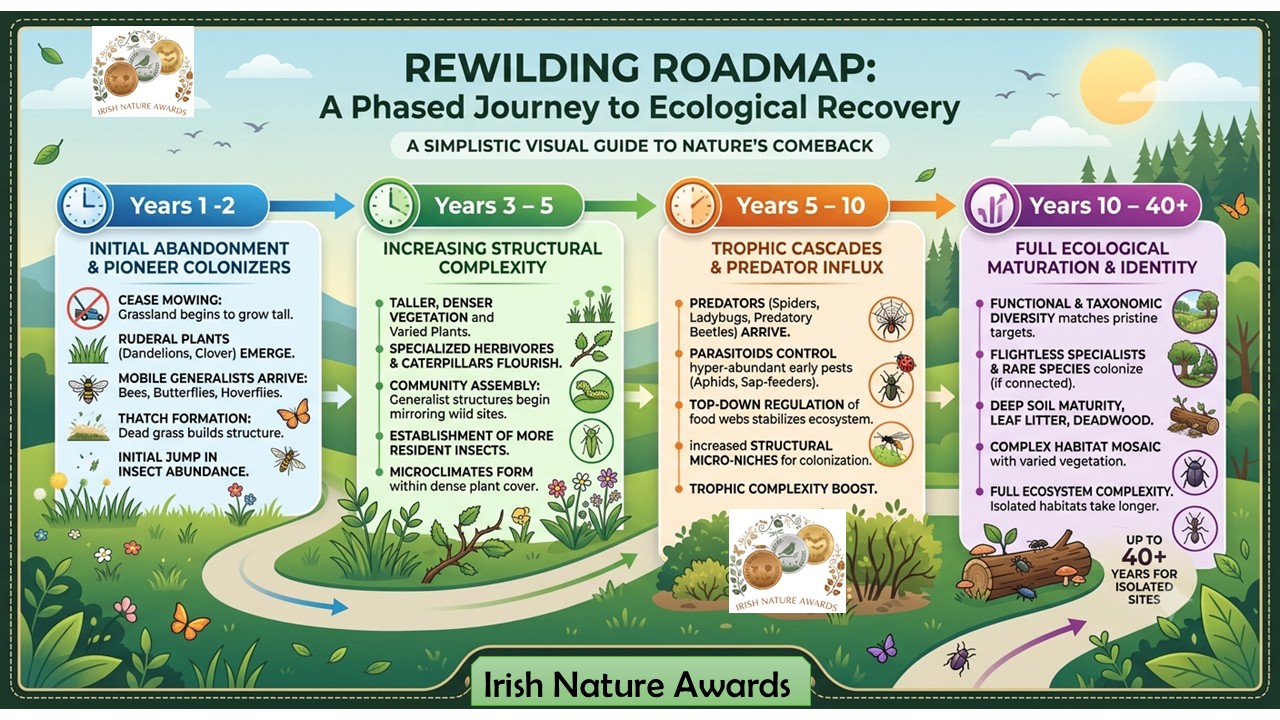
This will guide you on your re-wilding journey. The road map is based on scientific studies and collates the most widely accepted timelines
BIODIVERSITY GUIDES
Noel Fahy
2/26/20263 min read
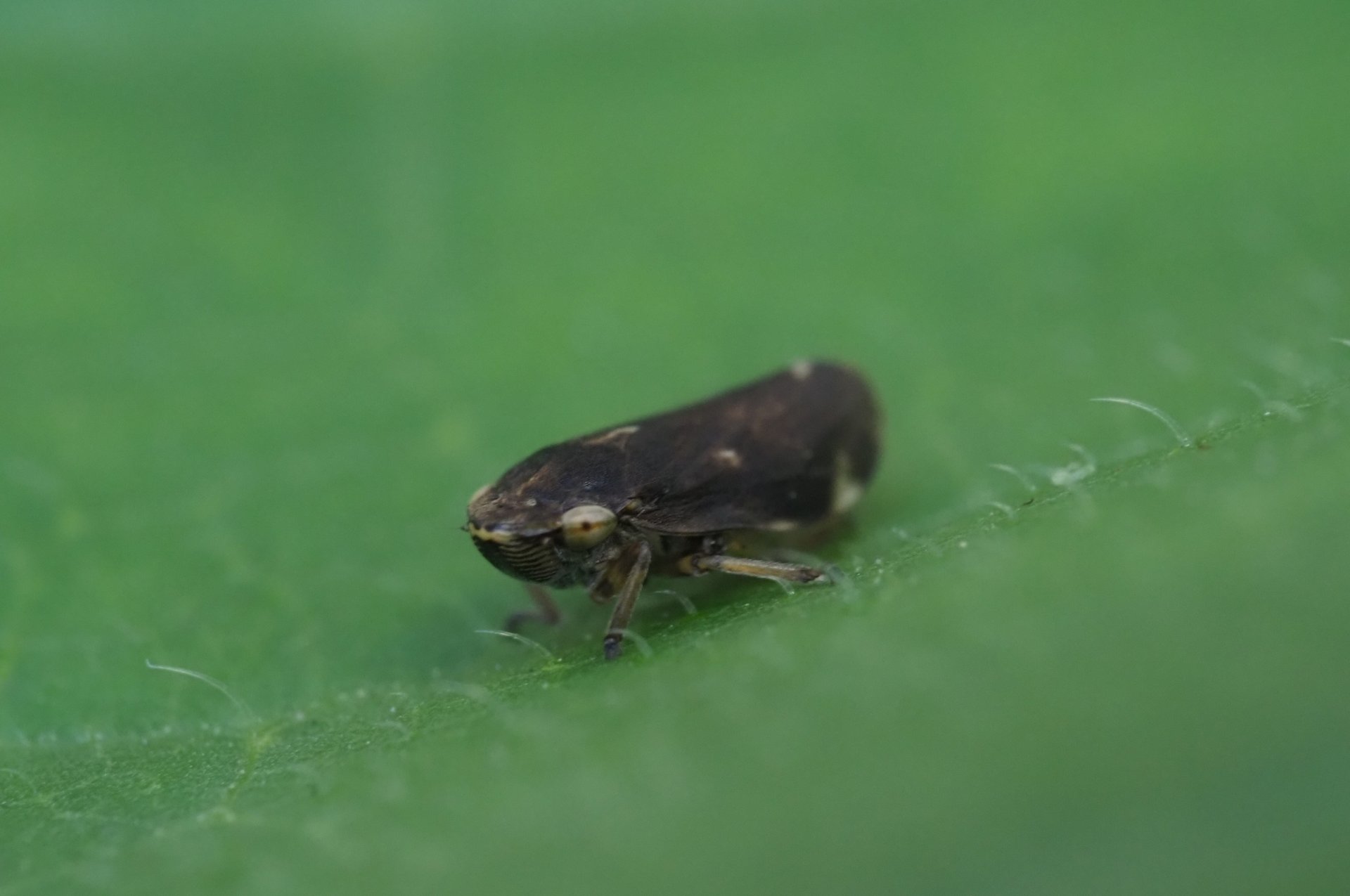
It can be incredibly frustrating to dedicate space for wild patches—watching nettles, brambles, and tall grass take over—only to see the same handful of dominant species like spittlebugs hogging the entire landscape - This happens!
Click below to see whats happening at the different stages in a healthy rewiling process
The Opportunistic Boom (Years 1-2)
What happens in the first 2 years?
The species that are already present at day zero of rewilding will now surge in numbers.
This causes insect in increase in insect abundance - but not species diversity.
Why?:
The species already living in or around your site suddenly stopped experiencing high mortality from mower blades. They breed exponentially, capitalizing on the lush growth before new species can even find the garden.
Remember, predators reproduce slower, and establish slower.
A landmark study of 50 grassland sites, tracked how cutting grass late caused insect abundance to jump by 41% in the first year and by 99% by year three - https://doi.org/10.1016/j.baae.2025.08.006
The Botanical Drivers (Years 3-5)
What happens in 3 - 5 years?
The plant community shifts as the soil seed bank releases opportunistic wildflowers AKA “weeds”.
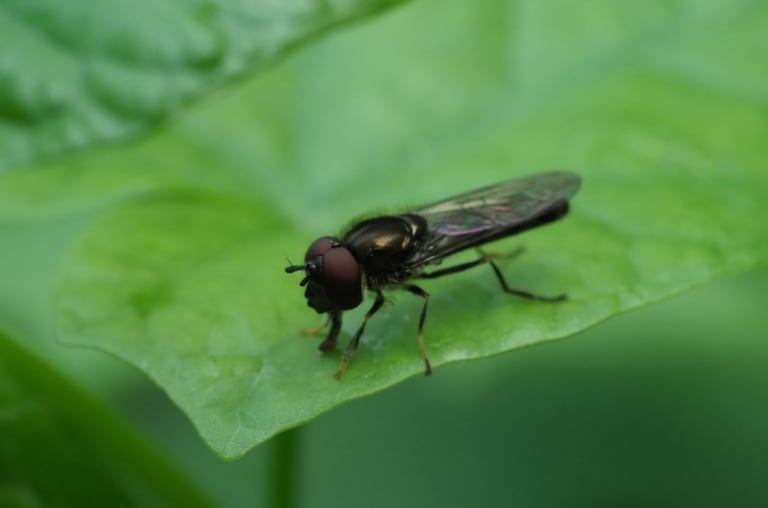
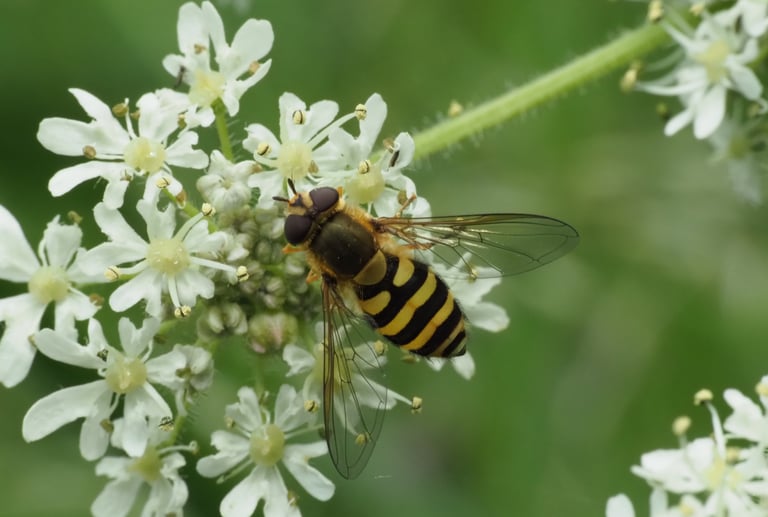
Mobile pollinators begin to move in. The generalist, highly mobile flying insects finally colonise the space, specifically:
Hoverflies
Bumblebees
Butterflies (the most widespread of the butterfly species)
Why?:
These insects can fly long distances to scout out new food sources.
They will typically only feed on a new site and return to their home site for a year after discovering a new site.
The site remains missing specialist hoverflies, specialist bumblebees, solitary bees, true bugs, flightless beetle, and decomposers.
Scientific Studies
Structural Stabalisation (Years 5-10)
What happens in 5 - 10 years?
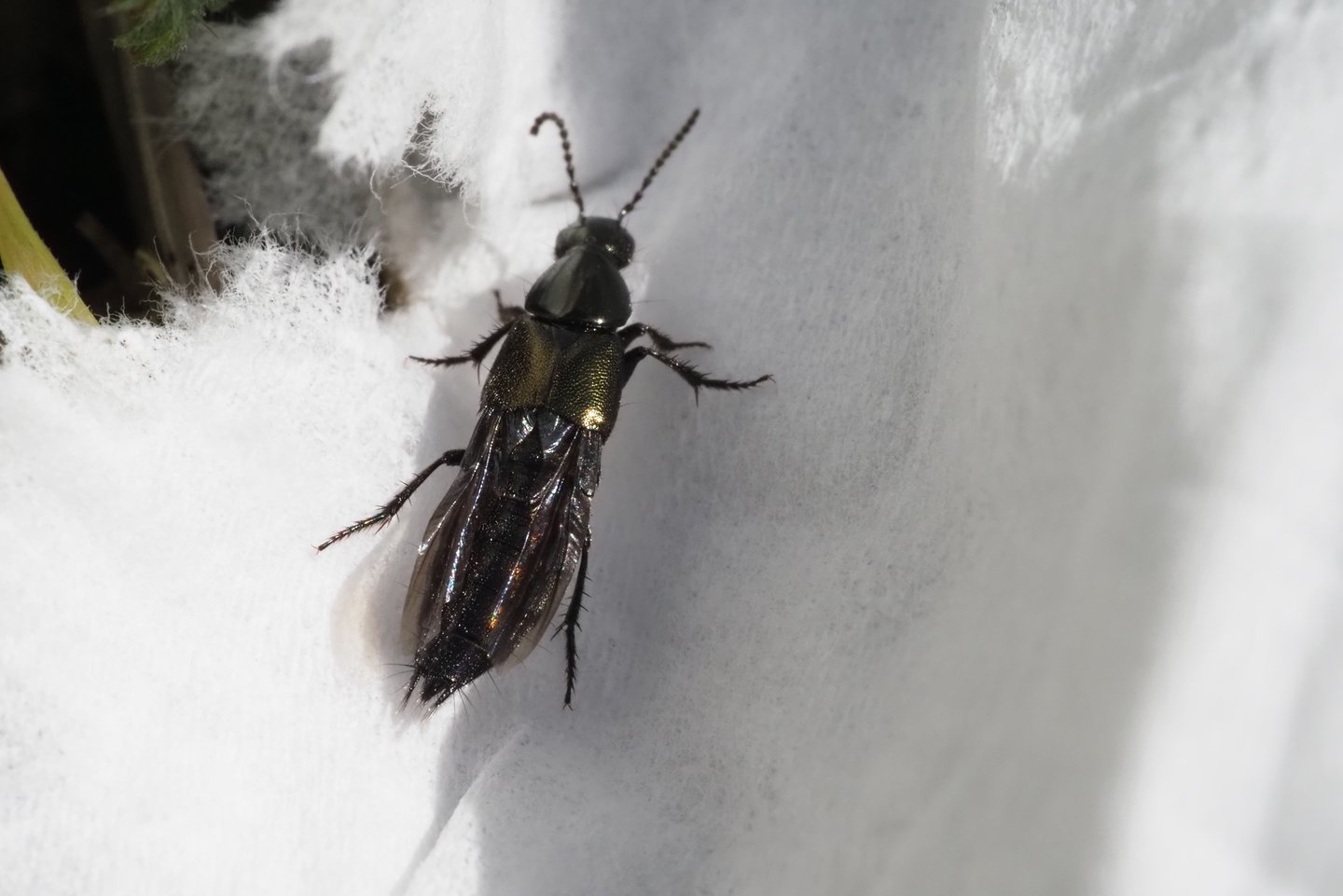
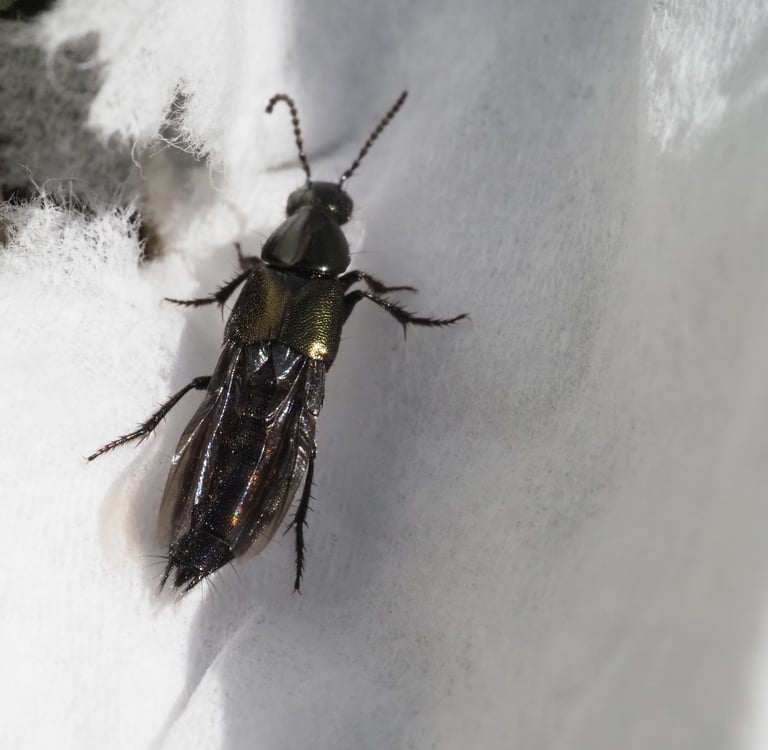
The predators finally catch up.
Brambles, nettles, and thick tussocky grasses fully mature, creating dense layers of decaying leaf litter and hollow winter stems that stay undisturbed year-round.
Generalist predators—like web-building spiders, ground beetles and microscopic parasitic wasps—finally establish large, permanent populations
Why the balance begins?:
Predators act as a natural balance scale.
They hunt the hyper-abundant generalists that dominated the last 5-10 years such as spittlebugs, and aphids who were monopolizing the plants.
This frees up resources for new insects to arrive.
In addition the plants become more woody and less palatable, and the physical structure of the vegetation becomes more complex.
Scientific studies
www.journals.uchicago.edu/doi/epdf/10.1086/283257
Ecological completeness (Years 10-40)
What happens in 10 - 40 years?
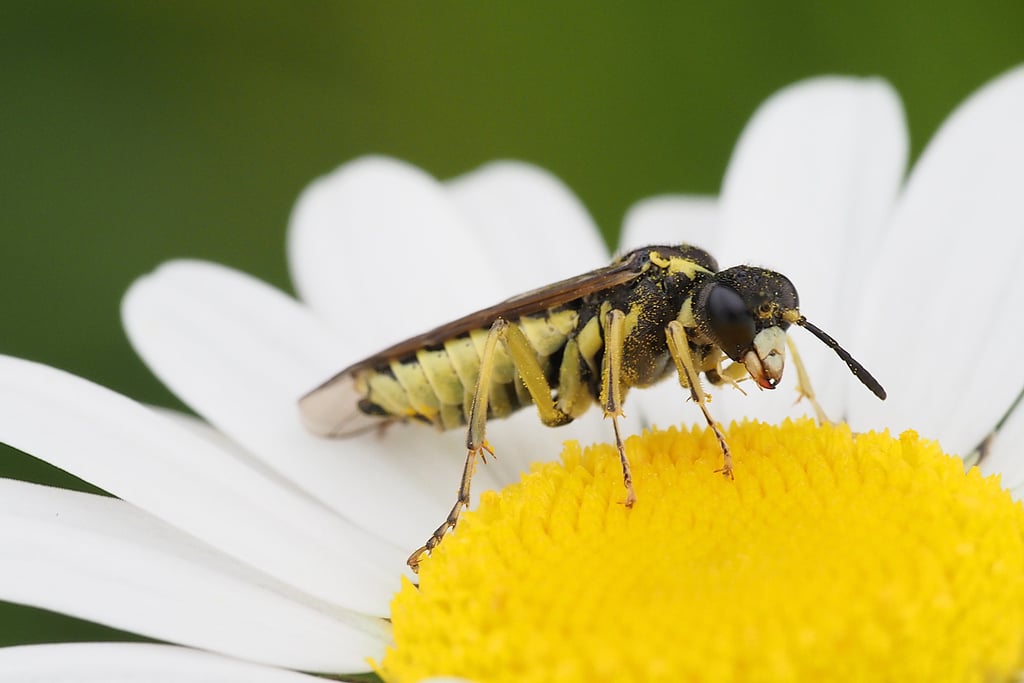
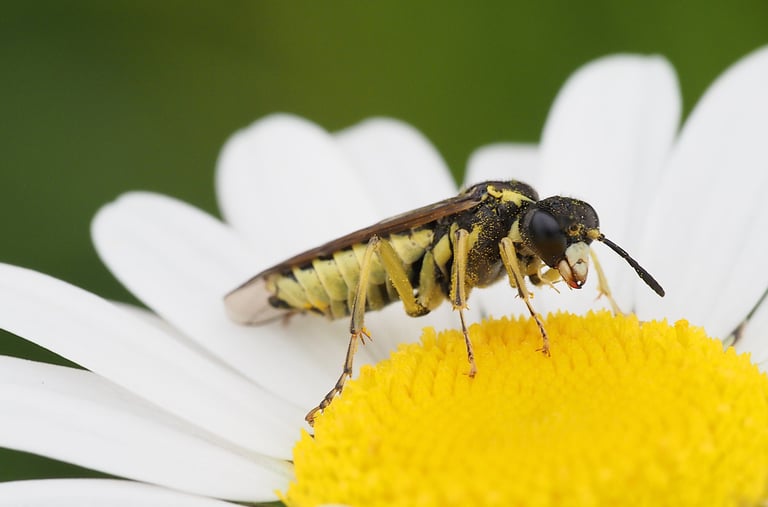
Rare & Specialists species begin arriving.
Deep-soil organisms, flightless weevils, and highly specialized herbivorous insects that only deposit eggs on one rare type of native plants finally establish baseline populations.
The Hard Truth:
A 22-year grassland restoration study tracking insect recovery found that it takes at least two decades for insect communities to match the functional and taxonomic diversity of untouched target ecosystems.
If a habitat is enclosed by thick non-native forests, or isolated from native woodlands and ancient meadows, reaching full ecological identity can take up to 40 years without human intervention.
Scientific studies
Written by Noel Fahy
Noel Fahy is the Head of the Irish Nature Awards, a freelance ecologist and an experienced Zoology graduate from the University of Galway. Read Noel's Full Bio & Background
Recent Articles written by Noel Fahy, Head of Irish Nature Awards".
"Sustainability – Published on C&F Tooling
hello@irishnatureawards.com
© 2026. All rights reserved.
Get in Touch
Questions about awards or categories? Check out or FAQs section